
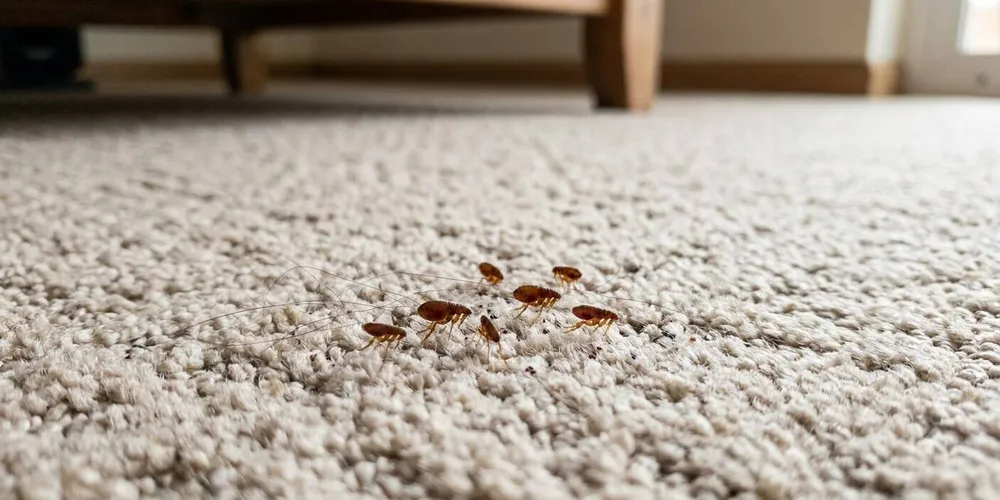
A useful flea plan connects pest identification, pet care and the areas where activity is reported. Treating those as separate conversations can leave important details missing. Start by recording what you have actually seen and tell the pest company whether there are pets, visiting animals or inaccessible spaces.
Confirm the pest before explaining the source
Bites or itching alone do not identify fleas. Try to provide a clear photograph of an insect or ask how a specimen should be collected safely. Record where and when the activity occurred, including whether insects were seen on an animal, in bedding or on the floor.
Avoid presenting a hidden nest or a dead rodent as the confirmed cause when neither has been found. An inspection may identify evidence, possible contributing conditions or an unresolved source. Those are different conclusions and should be described that way in the report.
Coordinate pet advice with the household plan
Health Canada’s flea guidance addresses both pets and their surroundings. Ask a veterinarian about an appropriate plan for each animal. Tell the pest company which animals use the affected areas and what veterinary advice has been given.
Do not put a household pesticide on an animal or use a product intended for a different animal. Product selection and timing for a pet belong with the veterinarian and the applicable label. Keep a written note of the advice so everyone in the household follows the same plan.
Organise the rooms before the appointment
List the places where animals rest and the rooms where activity has been observed. Include rugs, upholstered furniture, pet bedding and any basement or storage area that cannot be accessed. Ask the technician which areas should be prepared and how.
UC IPM describes flea stages in the environment as well as on the host, and includes vacuuming and laundering pet bedding in management. Follow the service preparation instructions and fabric-care directions. Ask how to handle collected debris and where cleaned items should be stored before the visit.
A room checklist can be simple: reported activity, preparation requested, access arranged, and question for the technician. This prevents a forgotten basement or locked room from becoming an assumption in the treatment plan.
Get written return and cleaning instructions
Confirm arrangements for people and pets before work begins. Ask when treated areas may be used again and which cleaning activities should be continued, delayed or avoided. These details depend on the product and the work performed, so this guide does not set a universal return-home interval.
Do not add household products or repeat a treatment on your own timetable. Share any products already used with the company and follow the Canadian labels and written service directions.
Use observations to plan follow-up
Keep a dated record of sightings and their locations. UC IPM explains why flea development can make control a process rather than an instant result. Ask your technician what to monitor, when to contact them and whether another assessment is included.
A reduction in bites is encouraging, but it does not identify the original source or prove that every flea stage has been eliminated. Report both improvements and continuing findings so the next decision is based on evidence.
Read about our flea control service or request an assessment. Include the affected rooms and any pet-care arrangements when describing the problem.
Sources and further reading
These sources support the general guidance. Product approvals and label directions differ by jurisdiction. For treatment in Canada, follow the Canadian label and the instructions supplied for your appointment.
Put the advice into a plan.
Tell us what you have seen, where it is happening and which city you are in. We will discuss the appropriate next step for your property.
Request a quote