
The most useful first step is to request the written preparation instructions for your particular treatment. Do not assume that every company, product or room needs the same preparation. Use this guide to organise the conversation, not to replace the instructions your technician gives you.
Start with the rooms, not a shopping list
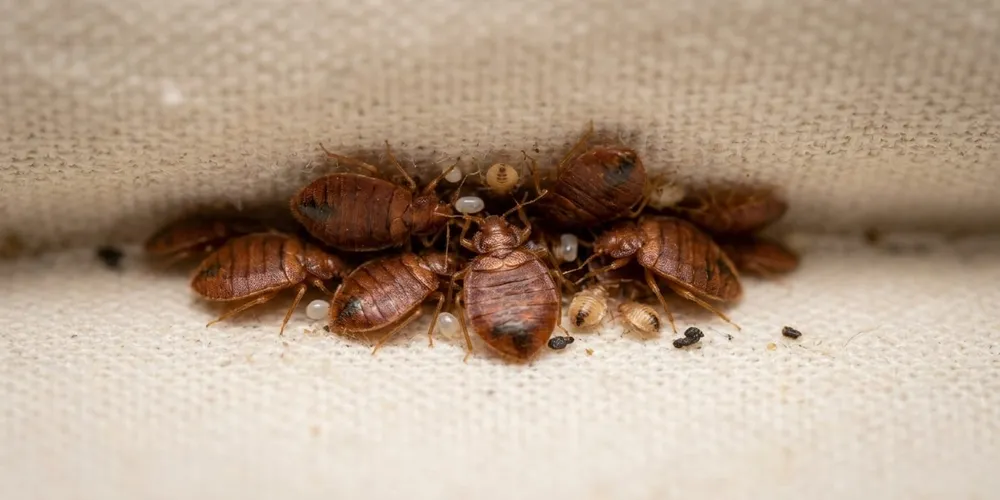
Make a room-by-room note of what you have actually found. Separate live insects, dark spotting and shed skins from an unexplained bite or an uncertain mark. Record the location and date, and take a clear photograph when possible. This gives the inspection a starting point without treating every suspicion as a confirmed infestation.
Before buying encasements or moving furniture, ask which items need attention and which should stay where they are. Health Canada recommends professional help and a combination of control methods. In a rental, include the landlord or property manager in the access and treatment discussion.
Keep the preparation from spreading the problem
The EPA’s preparation guidance advises against moving items from an affected area into an unaffected one. Bag items before carrying them through the building, keep cleaned belongings separate, and follow fabric-care instructions when laundering or drying. Do not simply shift a pile from one bedroom to another to make the first room look ready.
Set up a simple labelling system: needs preparation, clean and sealed, and ask the technician. Keep each person’s essential clothing easy to identify. This is especially helpful when several bedrooms are involved and different family members are preparing their own belongings.
Confirm the access checklist
Ask for answers to these questions before the visit:
- Which bedrooms, closets, furniture and adjoining spaces must be accessible?
- What should be done with bedding, clothing, toys and items that cannot be washed?
- Should drawers or cupboards be emptied, or left for inspection?
- Who will move heavy furniture, and what should not be moved?
- Which steps are essential if limited mobility or storage space makes full preparation difficult?
Tell the company about access restrictions early. A locked bedroom, missing key or immovable storage unit is an appointment-planning issue worth resolving before the technician arrives.
Make a separate plan for people and pets
Tell the company about children, pets and any circumstances that could affect the preparation or return-home instructions. Ask whether everyone must leave, what time to leave, and how you will be told it is appropriate to return.
There is no universal re-entry time in this checklist. Product labels, the work performed and the technician’s written instructions determine the arrangements. Do not use advice for another household as permission to return sooner.
Leave with a clear follow-up plan
Before the appointment ends, confirm what can be cleaned, which treated areas should be left undisturbed, how to report further findings, and whether another inspection or treatment is planned. Keep the report and preparation sheet together. A brief dated record is more useful at follow-up than trying to remember the whole month.
For an assessment and a plan for your property, see our bed bug control service. Describe the number of affected rooms when requesting a quote; this guide does not determine the treatment scope or price.
Sources and further reading
These sources support the general guidance. Product approvals and label directions differ by jurisdiction. For treatment in Canada, follow the Canadian label and the instructions supplied for your appointment.
Put the advice into a plan.
Tell us what you have seen, where it is happening and which city you are in. We will discuss the appropriate next step for your property.
Request a quoteBed Bug Treatment: find your local service page
Choose your city for local preparation and access information.